MUSEUM COLLECTION
Contemporary Art

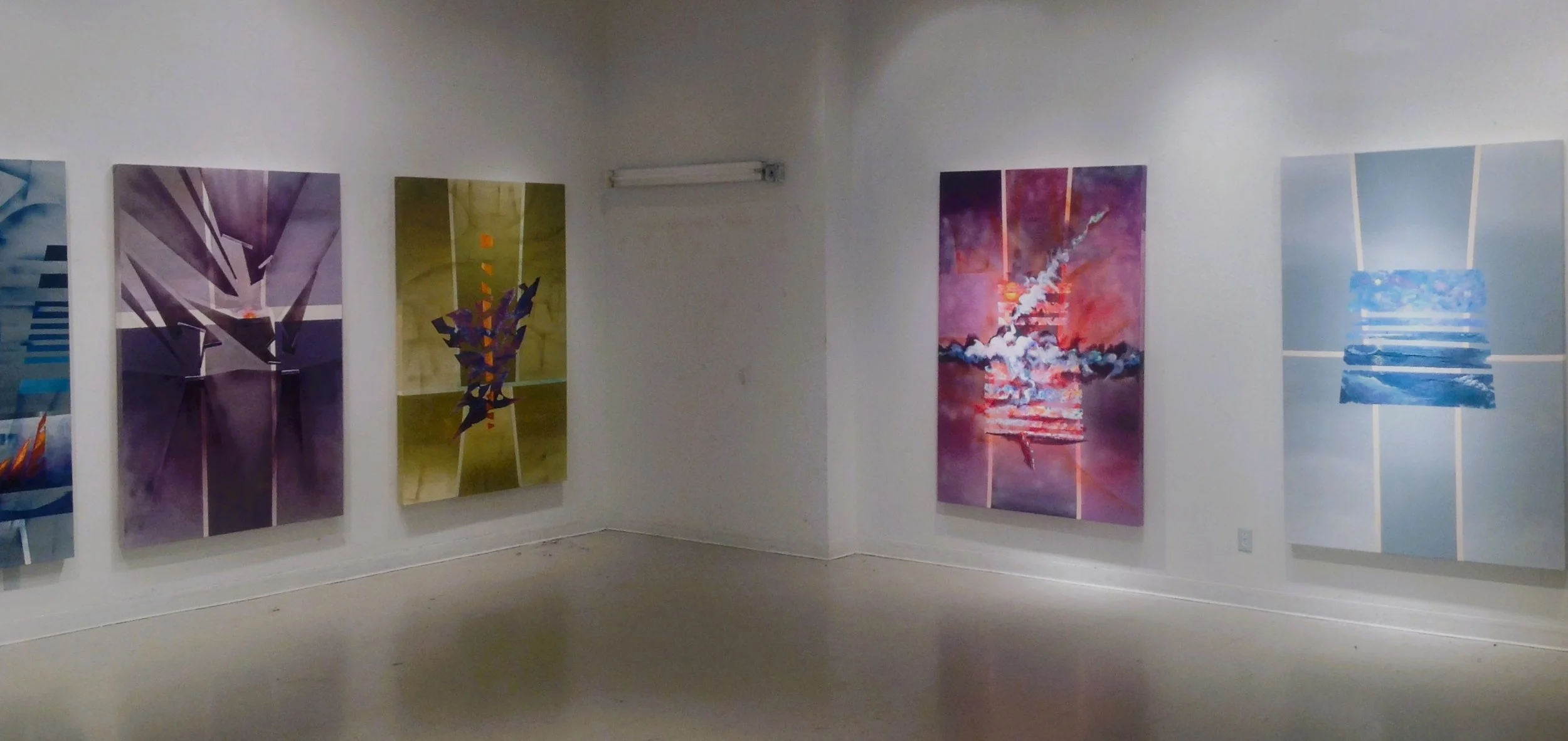
HOPE 21 by Garay Bazán. 2021 © 2025 NY USA
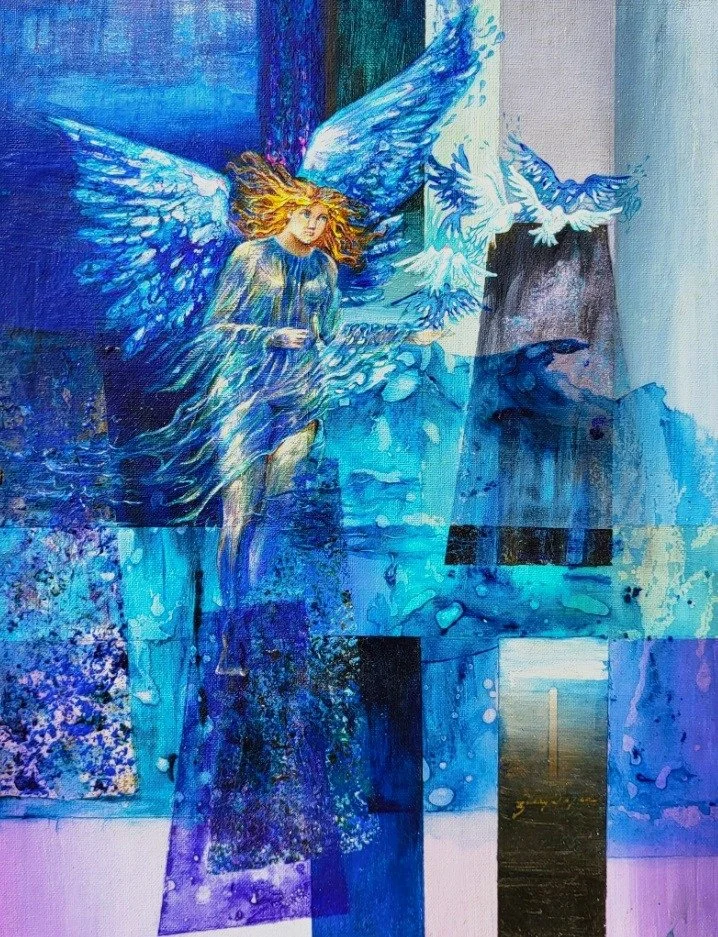
WORLDS BY AN ANGEL by Garay Bazán. 1984 © 2025 NY USA
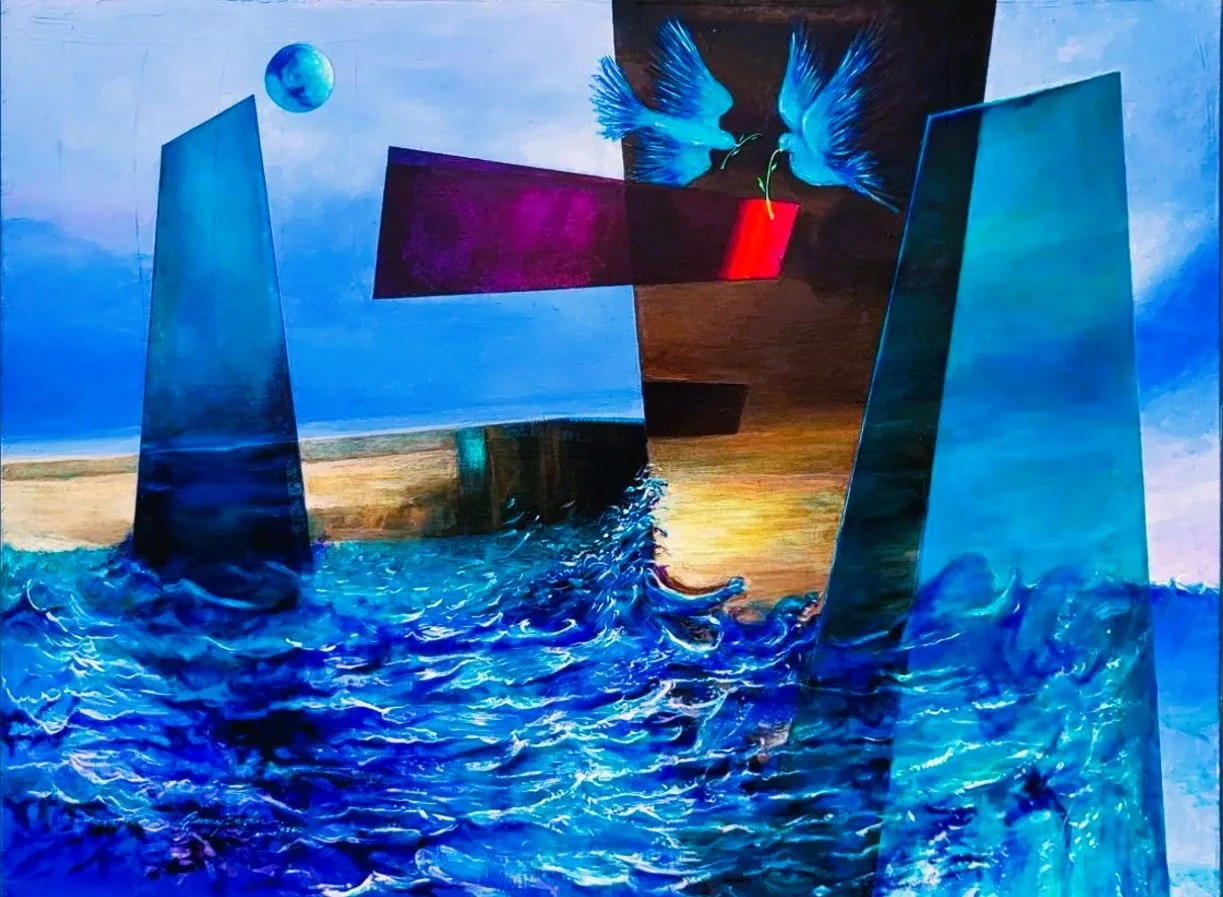
ACHIEVING LIFE IN OTHER WORLDS by Garay Bazán.1985 © 2025 NY USA
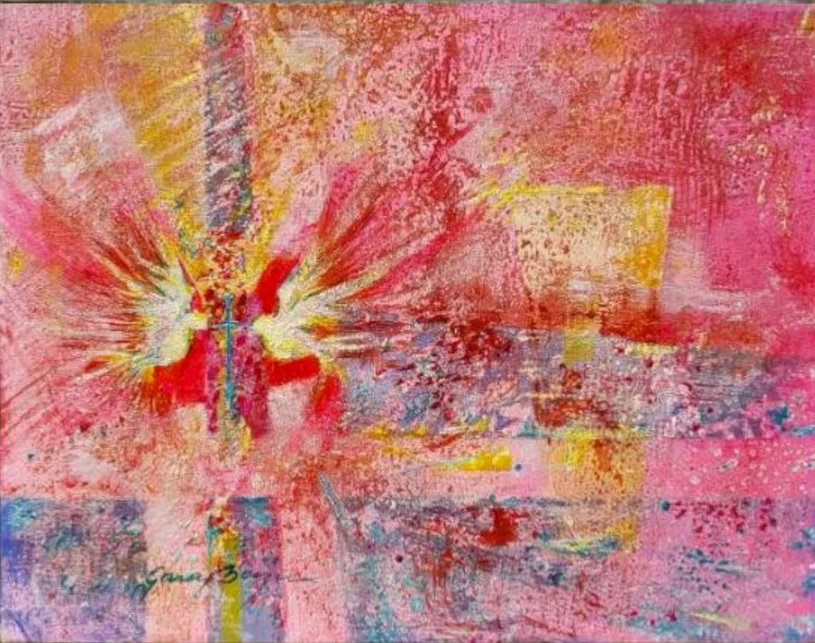
A LOVE FROM ANOTHER WORLD by Garay Bazán. 1985 © 2025 NY USA
THE GARAY BAZAN MUSEUM ART COLLECTIONS
-
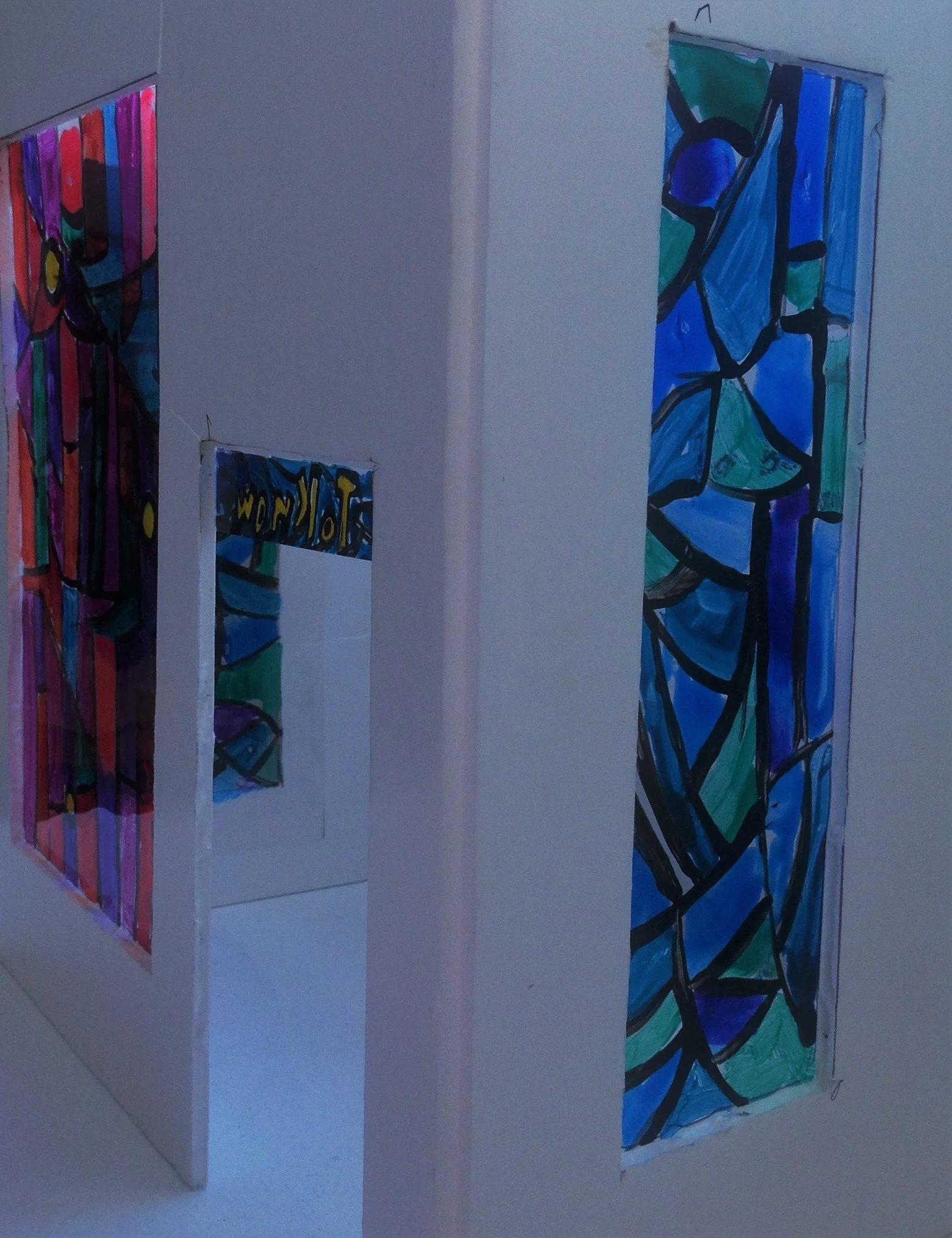
VITRALS/ STAINED GLASS
Colored glass used to make windows, walls of glass, in the architecture with artistic or religious contexts.
-
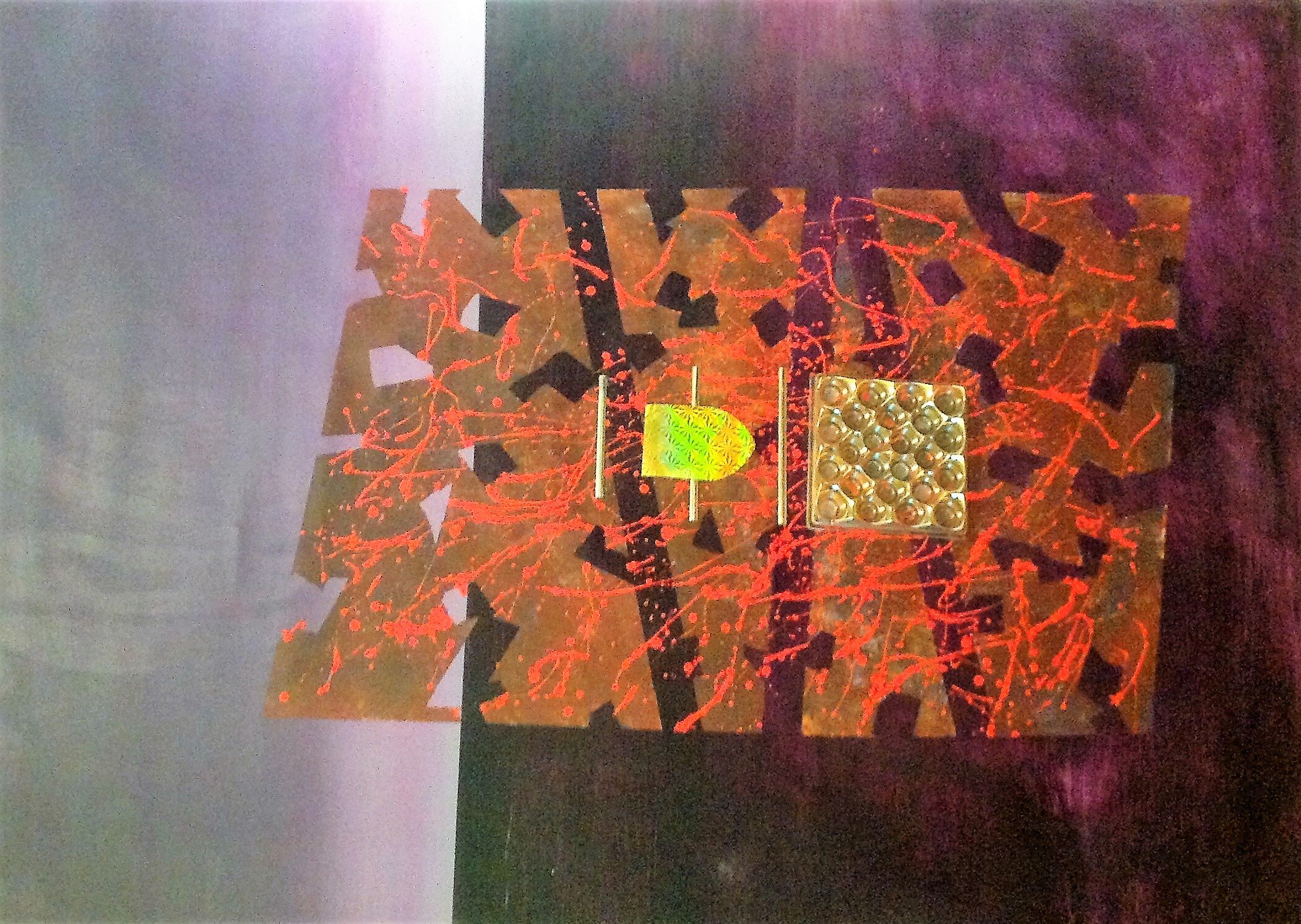
INSTALLATION ART
These are often large-scale, site-specific works designed to transform the perception of a space and frequently invite viewer interaction.
-
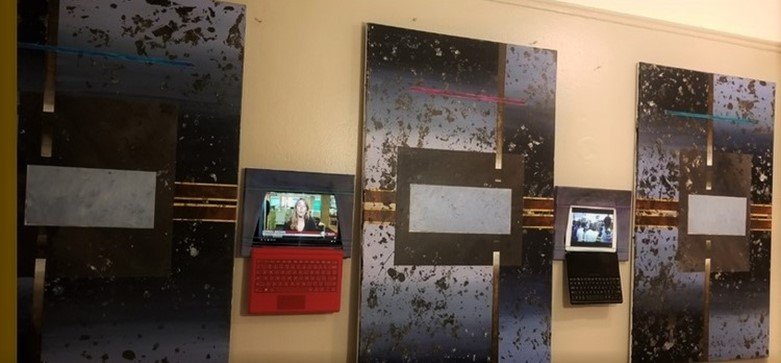
CONCEPTUAL PAINTING
… the idea or "concept" behind the work is more important than the finished physical object. It often uses non-traditional media like video or performance.
-

THE SEPARATED SERIES
“…figures, faces and hands… explore the pain, fear, suffering, and isolation of families, children, adults, and parents separated, and forced to obey US immigration laws, …”
-
HISTORICAL SCENES
History/Narrative: Depicts significant historical events, myths, or stories.
-

LANDSCAPES
Depicts natural scenery such as mountains, forests, cities, towns, or oceans.
-

STILL LIFES
Features inanimate, everyday objects like flowers, fruit, or household items.
-

PORTRAITS
Depict on the likeness, personality, and mood of a person, and the best emotions.
-

HUMAN FIGURE
Depict on the likeness, personality, and mood of a person, and the best emotions.
-

POSTERS
Celebration Posters published by the artist
CROSSING BORDERS ART & CULTURE IN A GLOBAL SOCIETY 1a by Garay Bazán . 2013 © 2025 NY USA
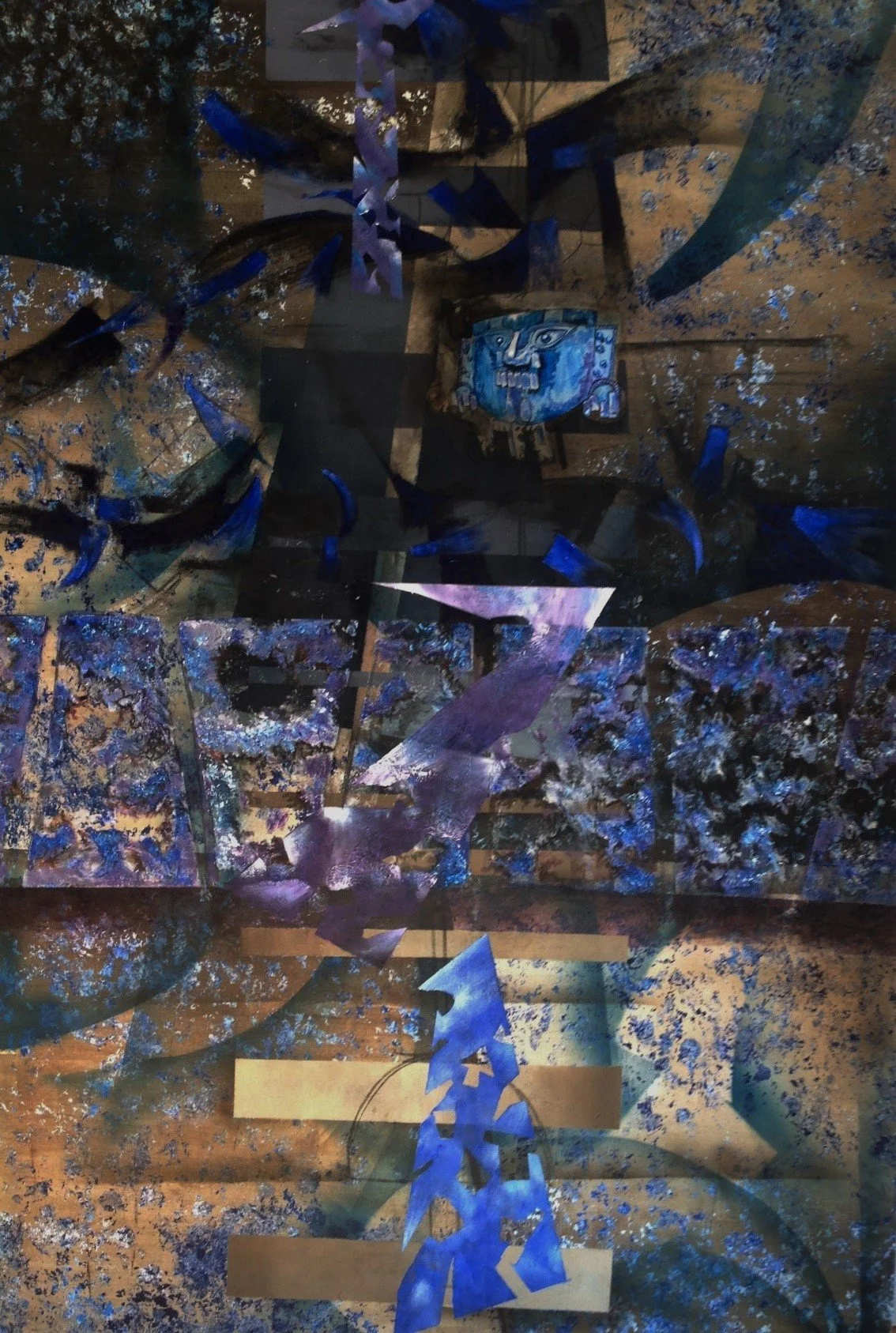
GUARDIAN'S DREAM. by Garay Bazán, © 2025 NY USA
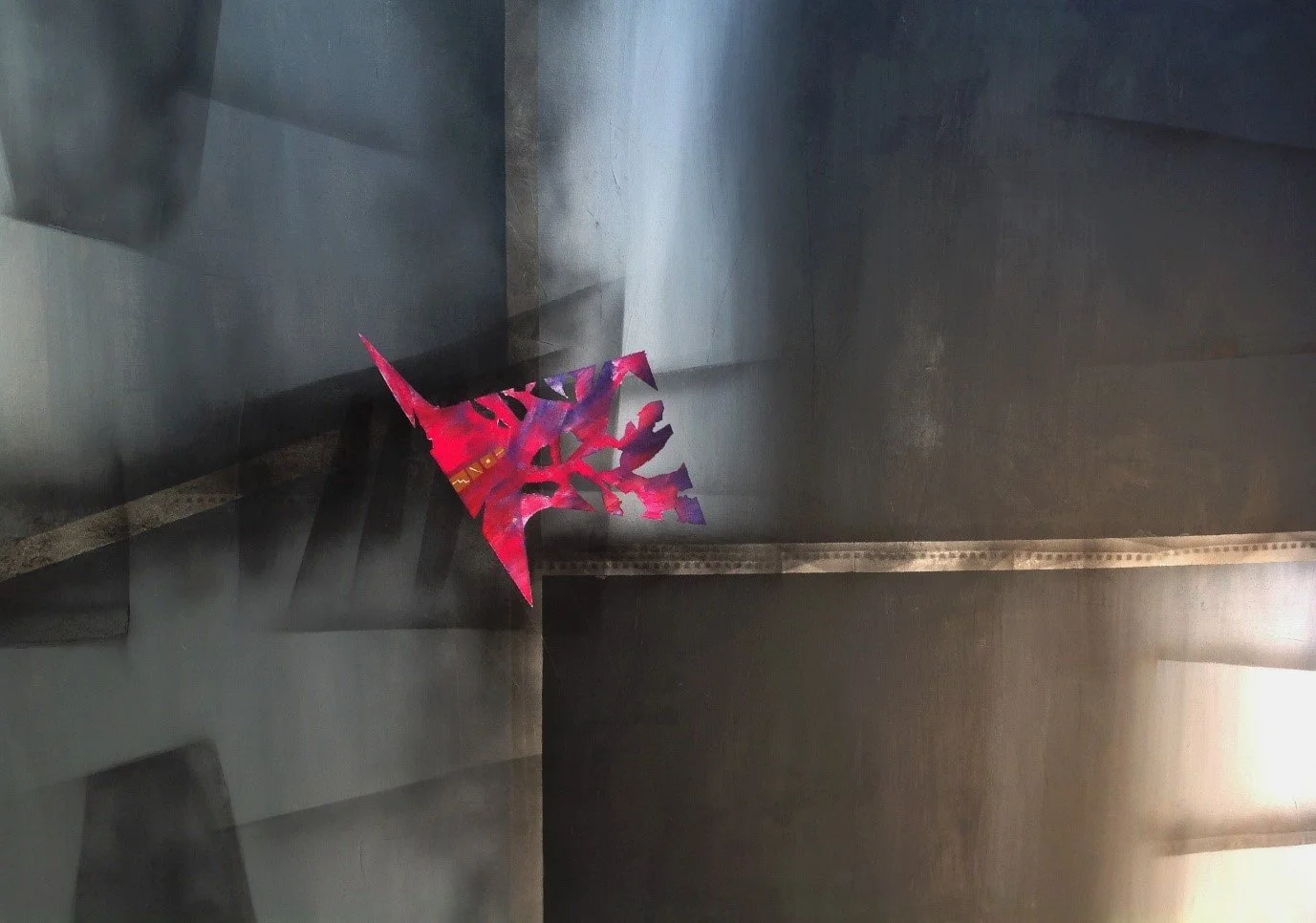
FLOATING COLOR, SERIES 1 by Garay Bazán. 2014 © 2025 NY USA

BULLET & BOMB FINAL CHOICE by Garay Bazán. 2014 © 2025 NY USA
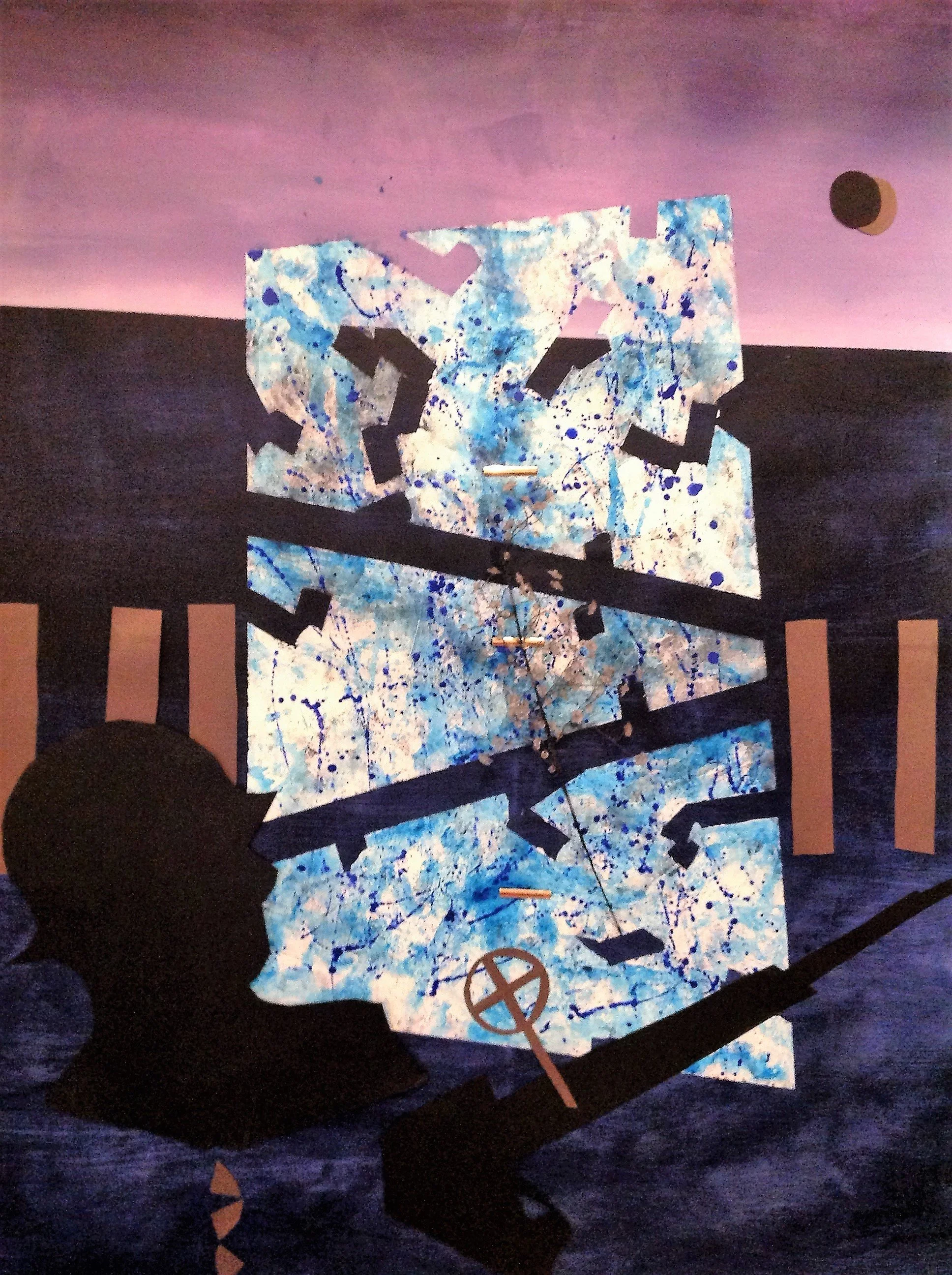
Title: HUMAN BUNKER Artist: Garay Bazán (American, born Perú, 1965) Date: 2014 Medium: Acrylic and textures on canvas. Dimensions: 72 in X 48 in Classification: Paintings. Credit Line: Garay Bazán Collection, 2014 Object Number: 01.600.14 Curatorial Department: American Paintings Luis A. Garay © 2025 NY USA
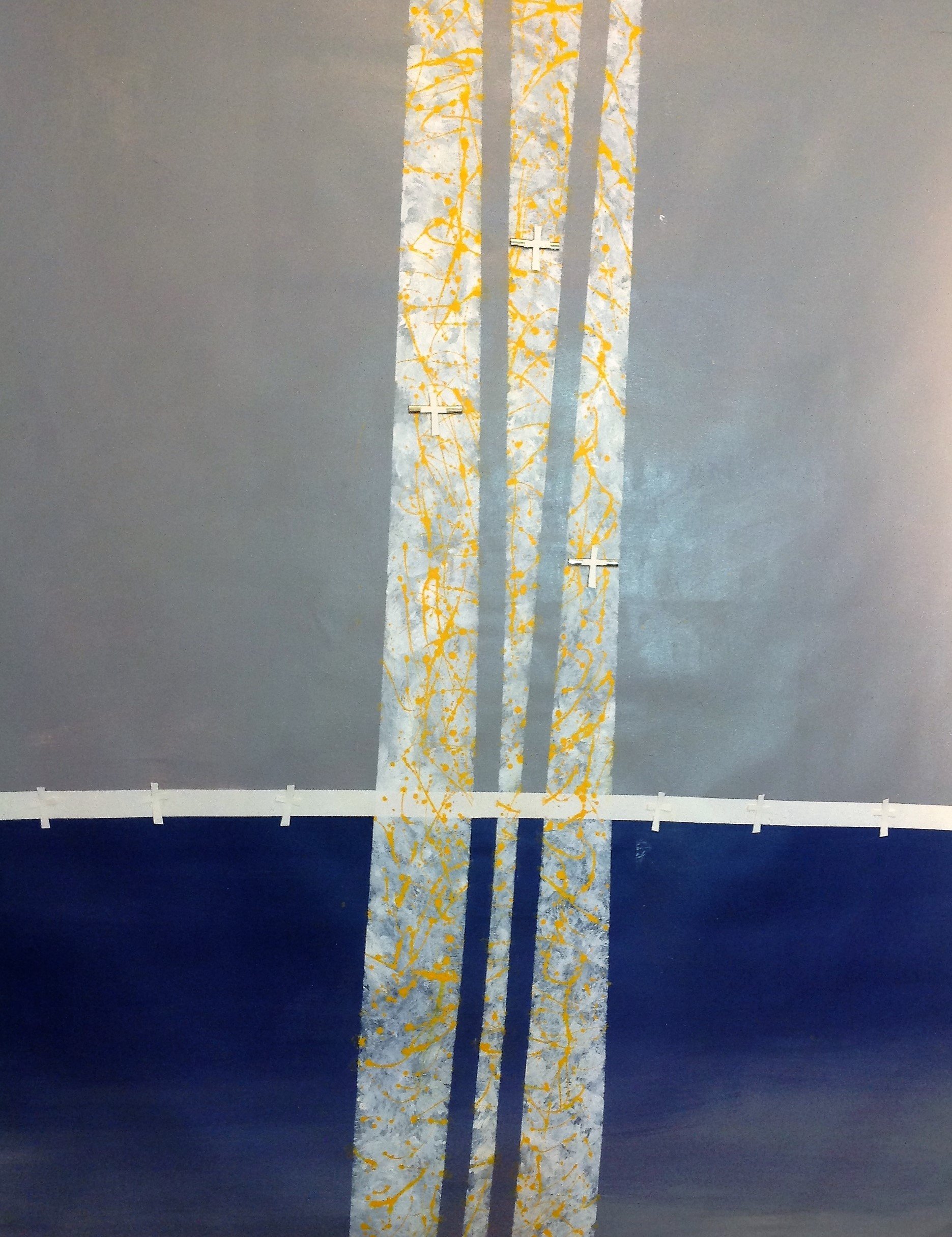
Title: LAST PARK OF LIFE Artist: Garay Bazán (American, born Perú, 1965) Date: 2014 Medium: Acrylic and textures on canvas. Dimensions: 72 in X 48 in Classification: Paintings. Credit Line: Garay Bazán Collection, 2014 Object Number: 01.700.14 Curatorial Department: American Paintings Luis A. Garay © 2025 NY USA
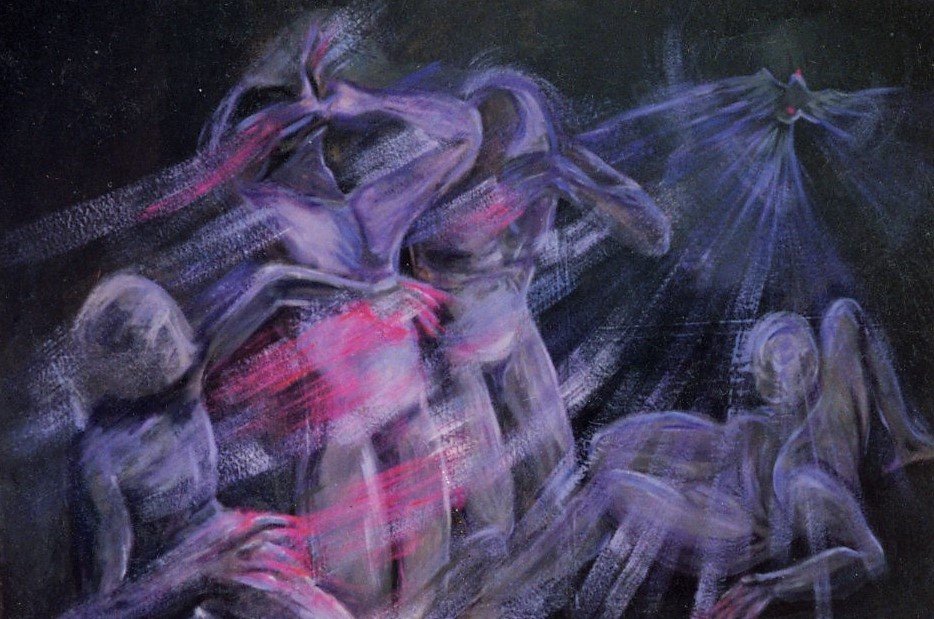
Title: A HOPE FOR SOULS Artist: Garay Bazán (American, born Perú, 1965) Date: 1984 Medium: Acrylic and textures on canvas. Dimensions: 48 in X 72 in Classification: Paintings. Credit Line: Garay Bazán Collection, 2014 Object Number: 01.800.11984 Curatorial Department: American Paintings Luis A. Garay © 2025 NY USA
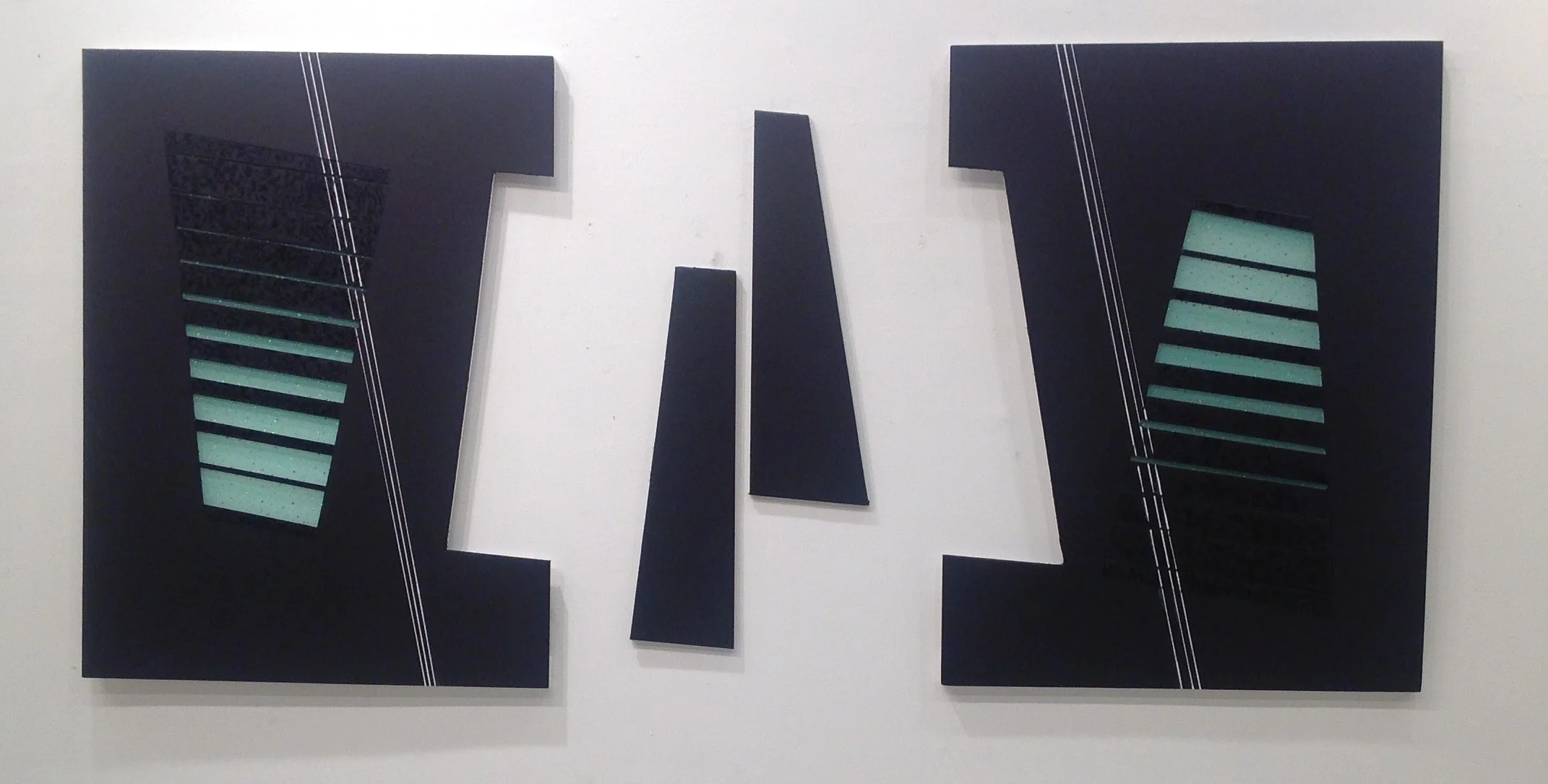
Title: PERSEVERANCE & LIFE SERIES 2 Artist: Garay Bazán (American, born Perú, 1965) Date: 2014 Medium: Polyurethane (PU) foam, silk fabric, sequins, Acrylic and textures on canvas. Dimensions: 72 in X 216 in Classification: Installations. Credit Line: Garay Bazán Collection, 2014 Object Number: 01.900.14 Curatorial Department: American Paintings Luis A. Garay © 2025 NY USA

Title: THE ETERNAL BEAUTY OF THE LIGHT OF MUSIC AND THE CARESSES OF DARKNESS Artist: Garay Bazán (American, born Perú, 1965) Date: 2014 Medium: Acrylic and textures on canvas. Dimensions: 72 in X 48 in Classification: Paintings. Credit Line: Garay Bazán Collection, 2014 Object Number: 01.110.14 Curatorial Department: American Paintings Luis A. Garay © 2025 NY USA
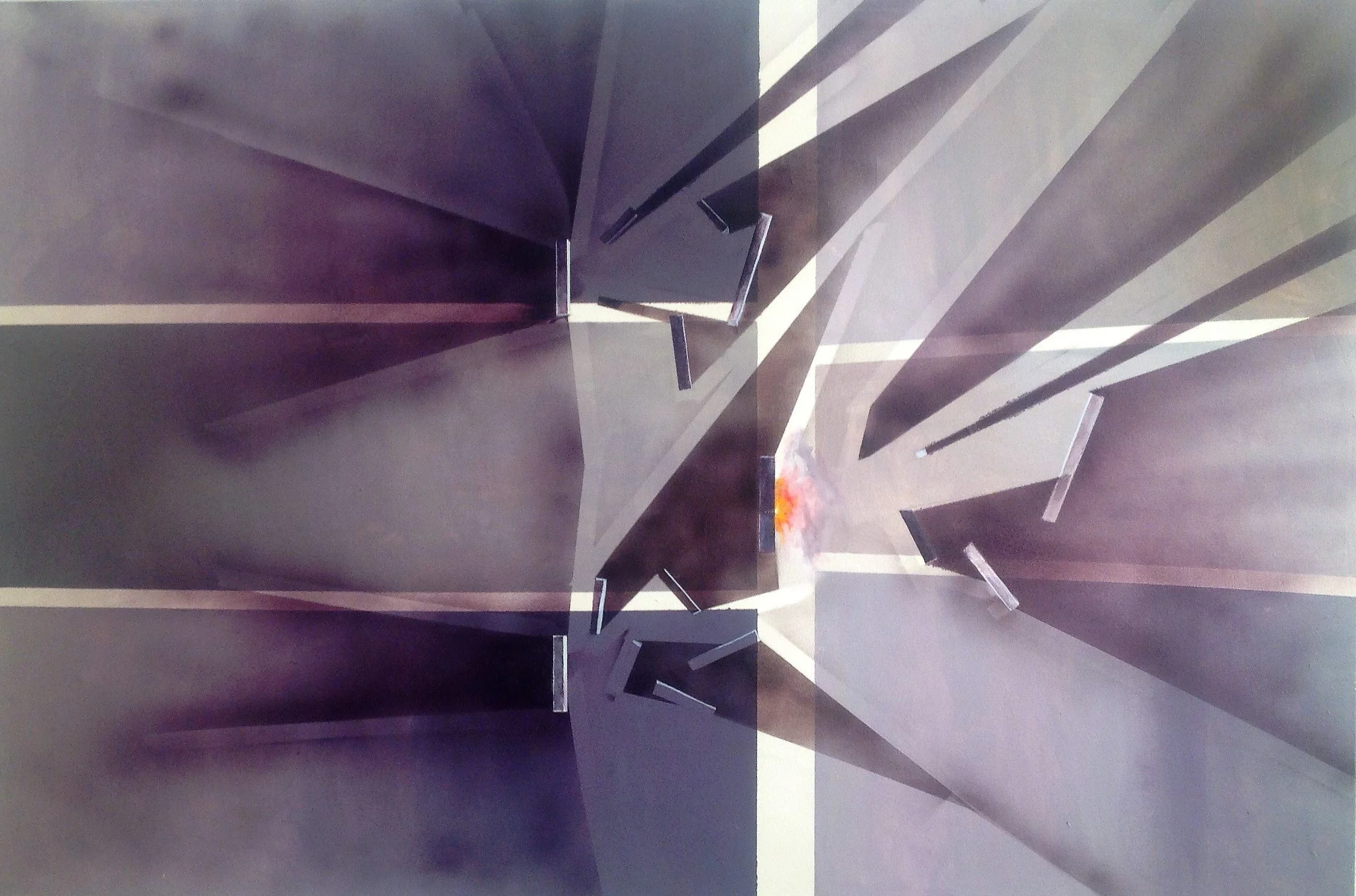
Title: SHRAPNEL IN OUR HEART Artist: Garay Bazán (American, born Perú, 1965) Date: 2014. Medium: Acrylic on canvas. Dimensions: 48 in X 72 in Classification: Paintings. Credit Line: Garay Bazán Collection, 2014 Object Number: 01.111.14 Curatorial Department: American Paintings Luis A. Garay © 2025 NY USA
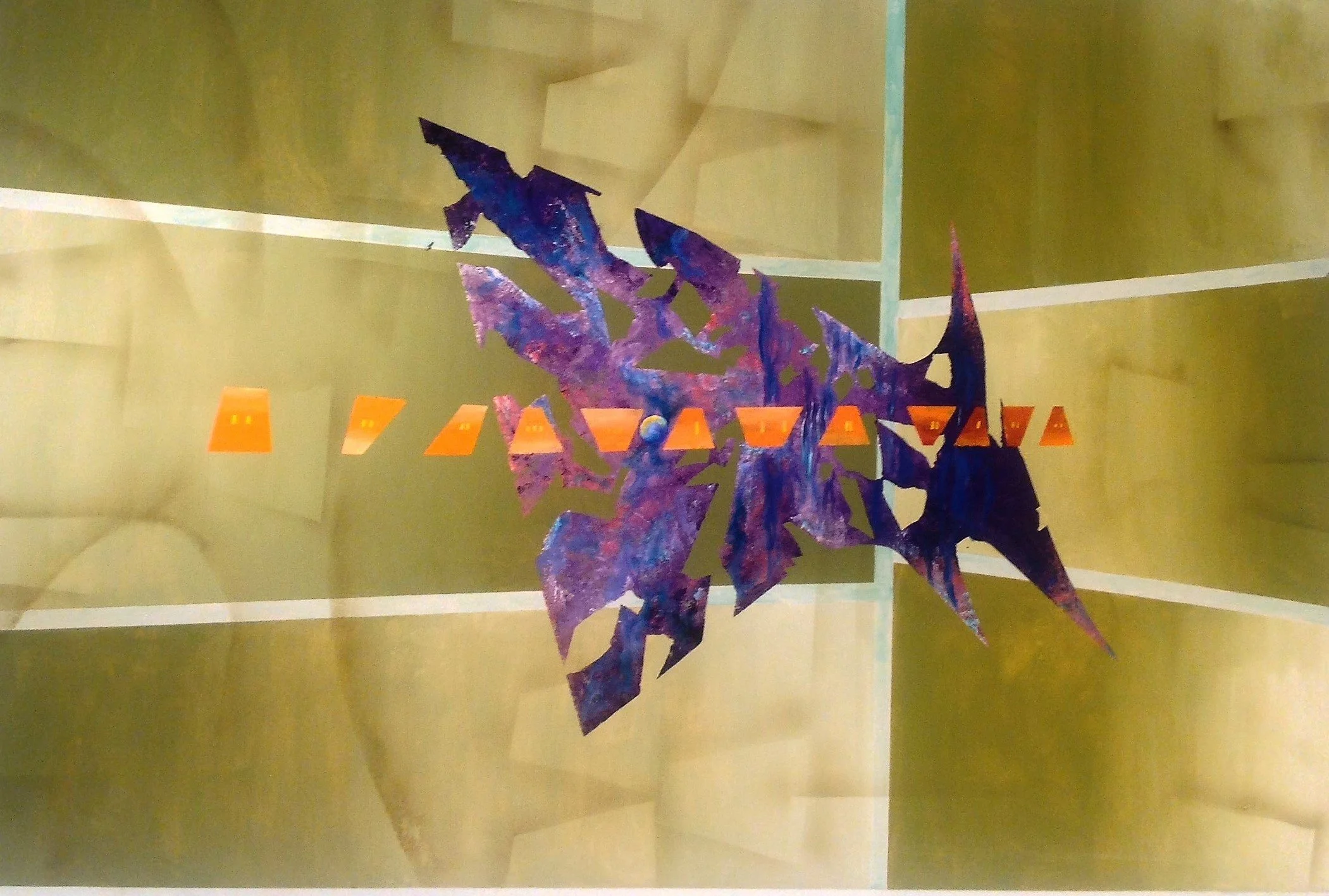
Title: EXPLORING OTHER WORLDS Artist: Garay Bazán (American, born Perú, 1965) Date: 2014. Medium: Acrylic on canvas. Dimensions: 48 in X 72 in Classification: Paintings. Credit Line: Garay Bazán Collection, 2014 Object Number: 01.112.14 Curatorial Department: American Paintings Luis A. Garay © 2025 NY USA
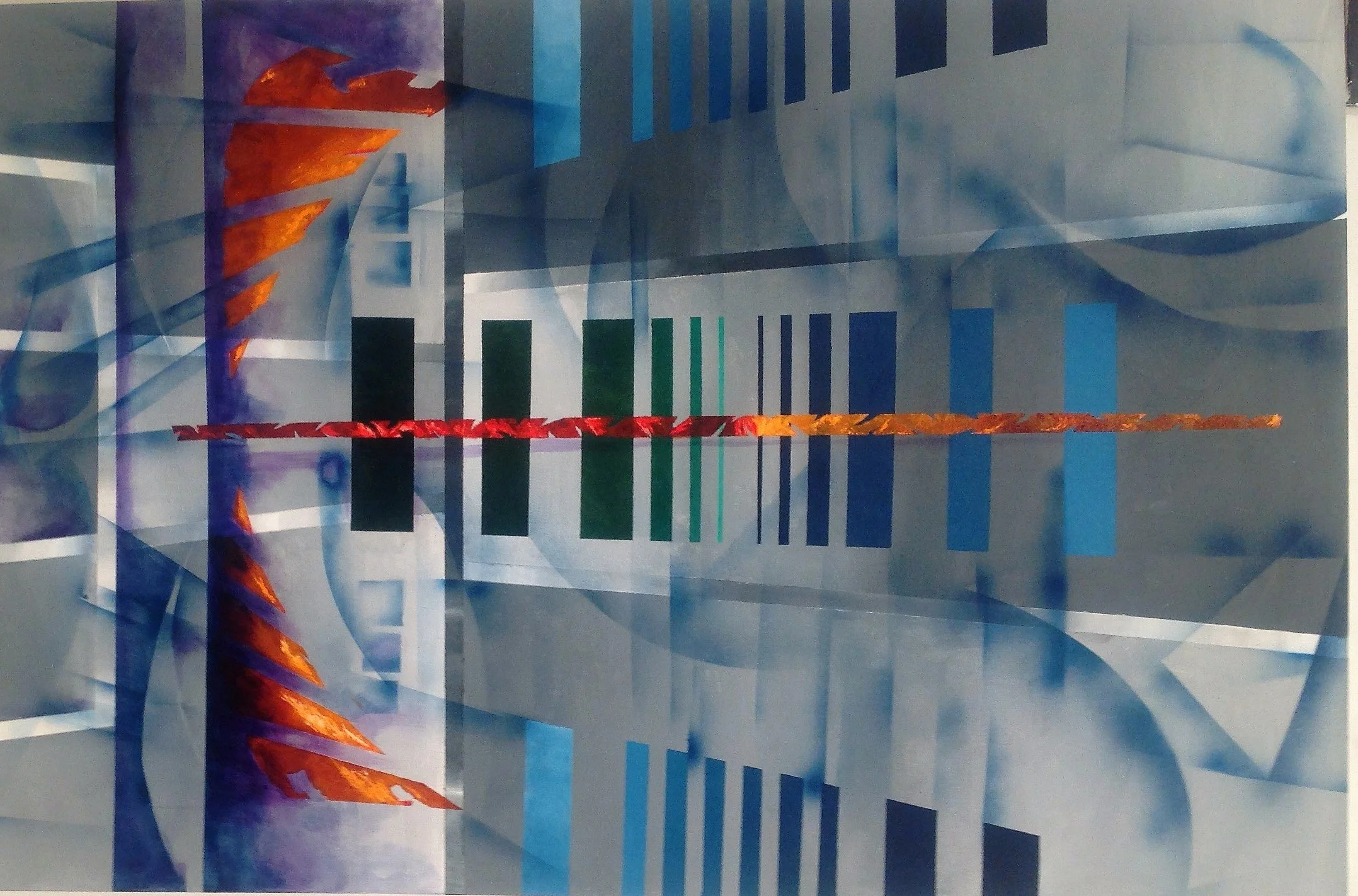
Title: 14 INTO THE LASER Artist: Garay Bazán (American, born Perú, 1965) Date: 2014. Medium: Acrylic on canvas. Dimensions: 48 in X 72 in Classification: Paintings. Credit Line: Garay Bazán Collection, 2014 Object Number: 01.113.14 Curatorial Department: American Paintings Luis A. Garay © 2025 NY USA
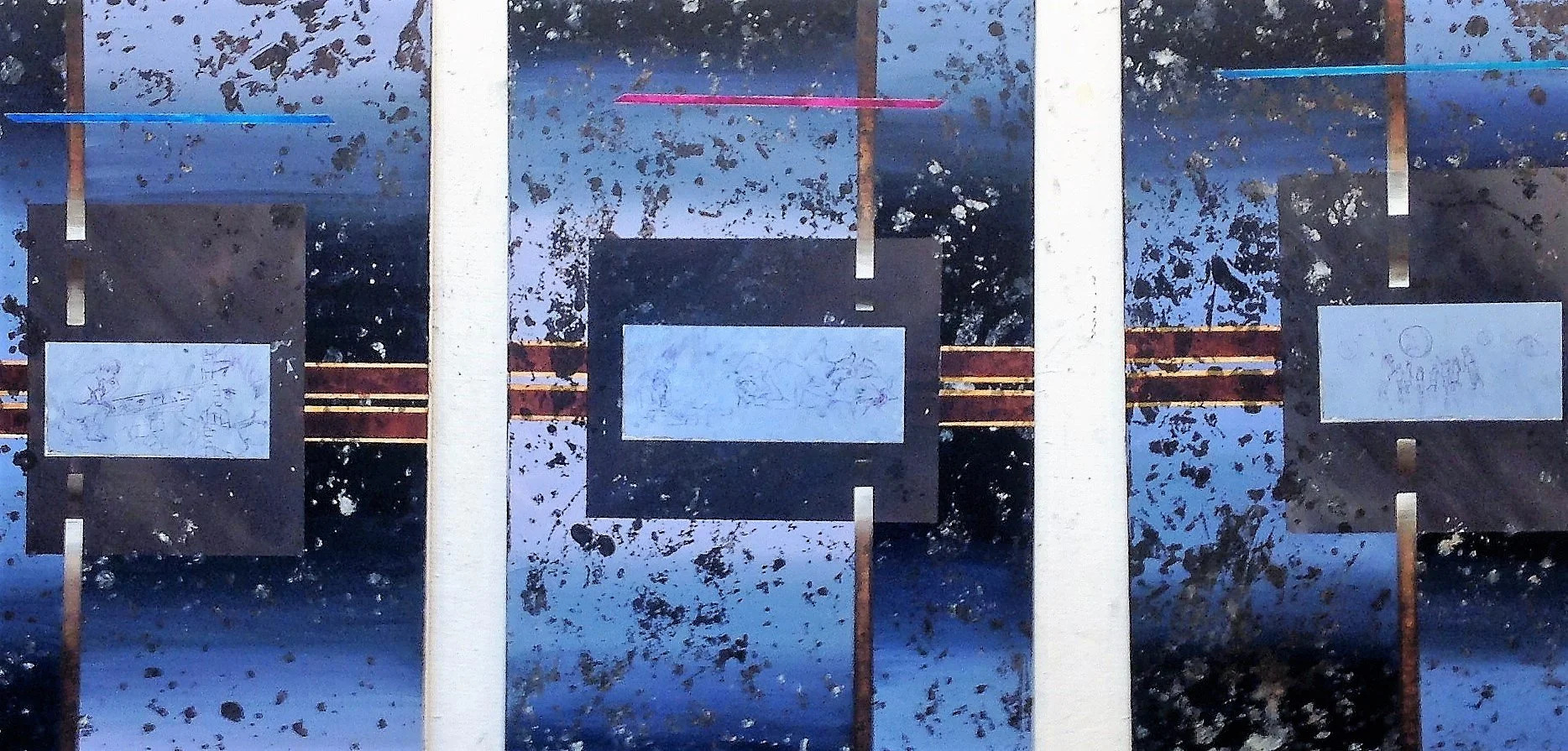
Title: OUR LAST PLAY OF THE GAME Artist: Garay Bazán (American, born Perú, 1965) Date: 2014. Medium: Acrylic on canvas. Dimensions: (3)72 in X (3)48 in Classification: Paintings. Credit Line: Garay Bazán Collection, 2014 Object Number: 01.114.14 Curatorial Department: American Paintings Luis A. Garay © 2025 NY USA
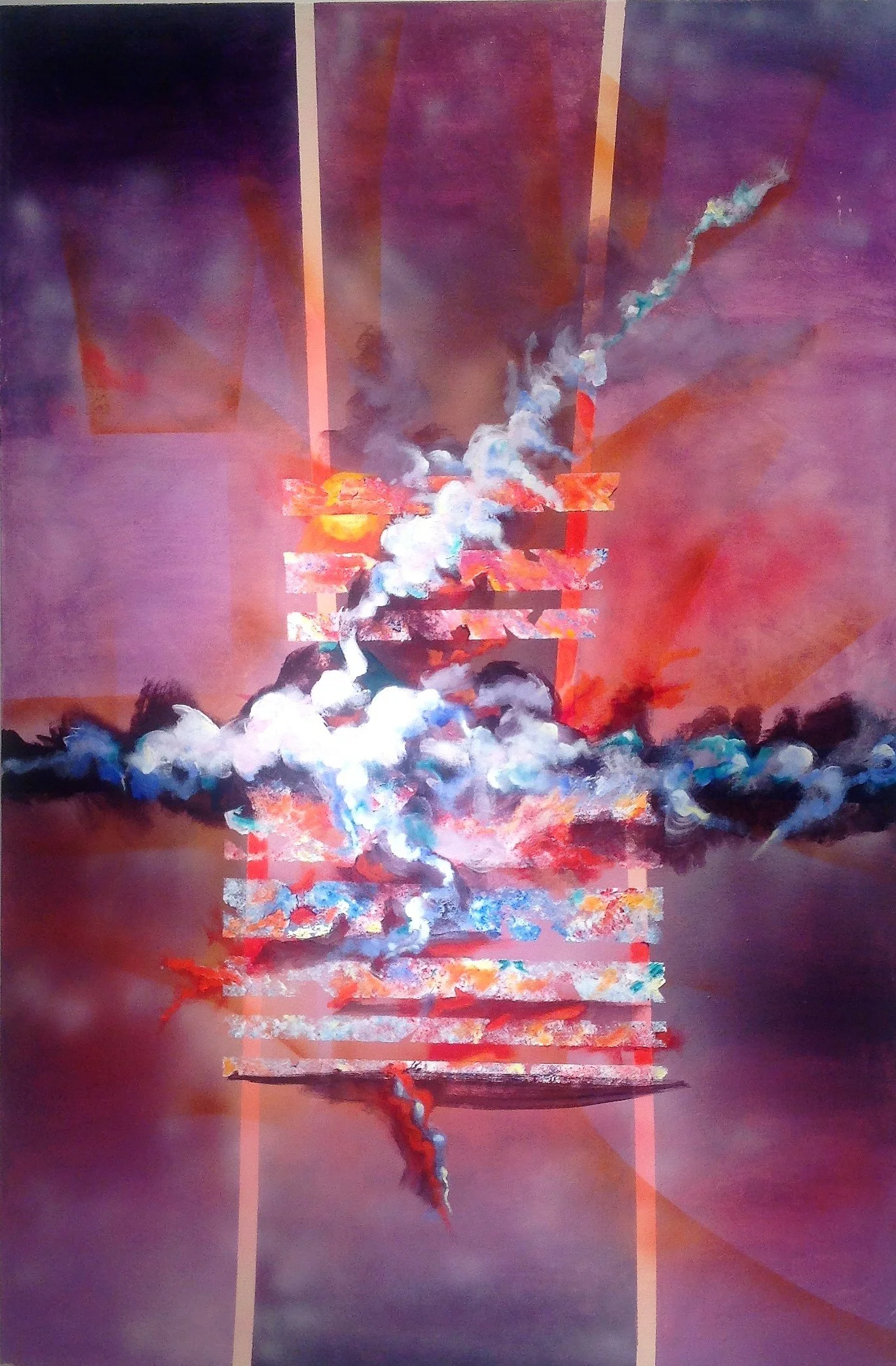
Title: GLOBAL WARMING 1 SERIES Artist: Garay Bazán (American, born Perú, 1965) Date: 2014. Medium: Acrylic on canvas. Dimensions: 72 in X 48 in Classification: Paintings. Credit Line: Garay Bazán Collection, 2014 Object Number: 02.001.14 Curatorial Department: American Paintings Luis A. Garay © 2025 NY USA
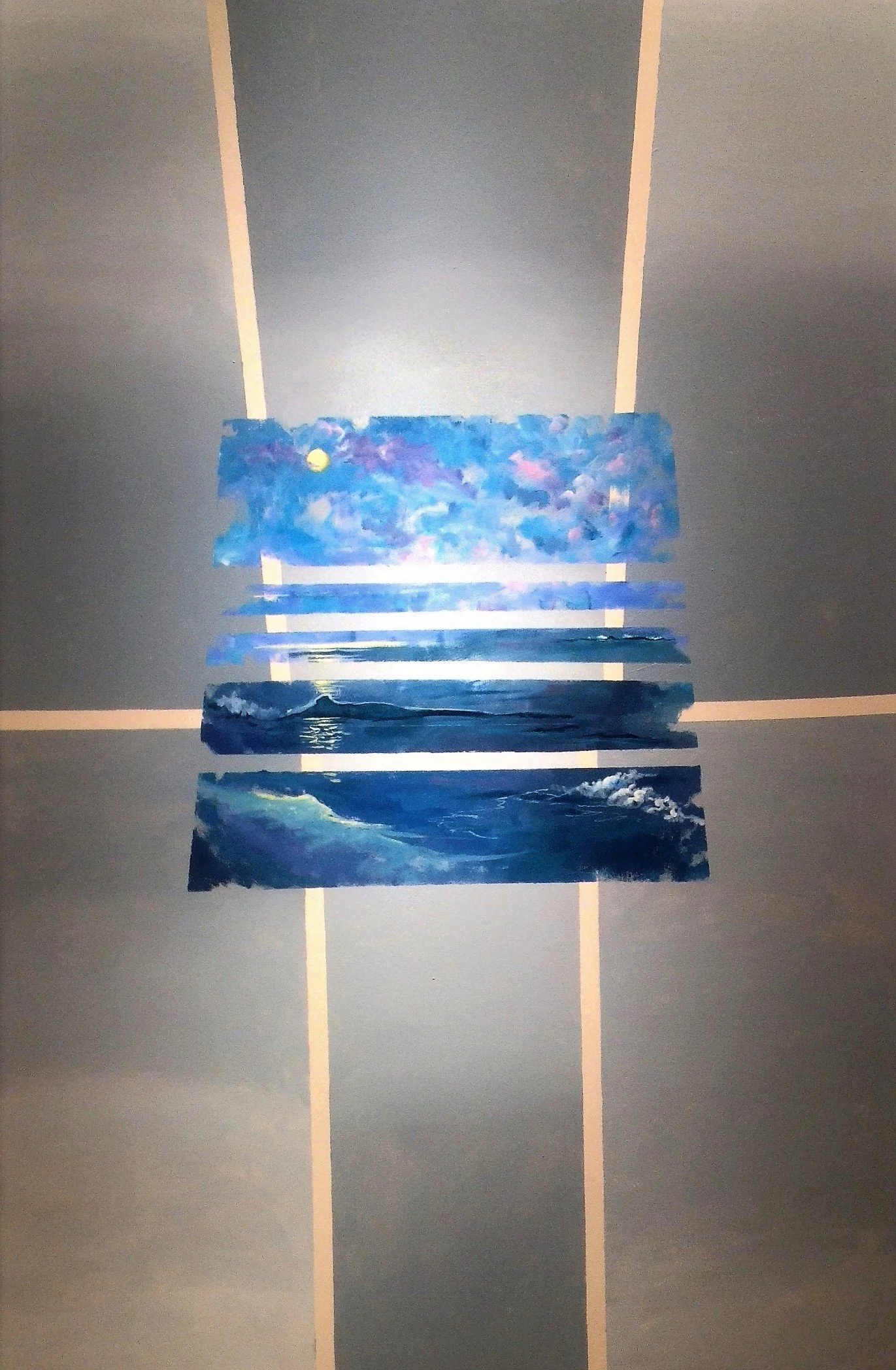
Title: GLOBAL WARMING 2 SERIES Artist: Garay Bazán (American, born Perú, 1965) Date: 2014. Medium: Acrylic on canvas. Dimensions: 72 in X 48 in Classification: Paintings. Credit Line: Garay Bazán Collection, 2014 Object Number: 02.002.14 Curatorial Department: American Paintings Luis A. Garay © 2025 NY USA
ART HISTORY INTRODUCTION / UNIVERSAL HISTORICAL REFERENCE
PERIODS OF ART UNTIL 2025
Art history is divided into major periods and numerous overlapping movements. While definitive dates are debated and vary by region, the general Western art periods until 2025 include broad eras like Ancient, Medieval, Renaissance, Baroque, and Modern, leading into the current Contemporary Art period.
Here are the major periods and some key movements within them:
Prehistoric and Ancient Art
This era covers art before widespread writing systems and early civilizations.
Prehistoric Art (c. 40,000–4,000 BCE): Cave paintings, megalithic structures.
Ancient Art (c. 4,000 BCE–400 CE): Art from civilizations including Mesopotamia, Egypt, Greece, and Rome.
Medieval Art
Following the fall of the Roman Empire, this period focused heavily on religious expression.
Byzantine (c. 330–1453)
Romanesque (c. 1000–1150)
Gothic (c. 1140–1600)
The Renaissance to Neoclassicism
A "rebirth" of classical learning and humanist philosophy that ushered in significant changes in artistic style.
Renaissance (c. 1400–1600): Key figures like Leonardo da Vinci and Michelangelo emphasized perspective and humanism.
Mannerism (c. 1520–1600): A style known for artificiality and elegance, bridging the High Renaissance and the Baroque.
Baroque (c. 1600–1725): Characterized by drama, rich color, and intense light and shadow.
Rococo (c. 1720–1760): A lighter, more playful style that emerged in France.
Neoclassicism (c. 1770–1840): A return to the classical ideals of ancient Greece and Rome, emphasizing order and rationality.
Modern Art (19th Century to Mid-20th Century)
The 19th and 20th centuries were marked by rapid change and the rise of many distinct movements.
Romanticism (c. 1800–1850): Emphasized emotion, individualism, and nature.
Realism (c. 1840–1880): Focused on depicting contemporary life truthfully, without idealization.
Impressionism (c. 1865–1885): Focused on capturing the transient effects of light and atmosphere with visible brushstrokes.
Post-Impressionism (c. 1886–1905): Built on Impressionism but emphasized subjective vision and symbolic content.
Expressionism (c. 1890–1939): Aimed to express emotional experience rather than physical reality.
Cubism (c. 1905–1939): Pioneered by Picasso and Braque, deconstructed subjects into geometric forms seen from multiple perspectives.
Surrealism (c. 1924–1945): Explored the realm of dreams and the subconscious mind.
Abstract Expressionism (c. 1945–1960): The first major American movement, emphasizing spontaneous, automatic, or subconscious creation.
Contemporary Art (Mid-20th Century to Present)
Art from the mid-20th century up to today is generally referred to as Contemporary Art, encompassing numerous movements that continue to evolve.
Pop Art (c. 1956–1969): Drew inspiration from popular and commercial culture.
Minimalism (c. 1960–1975): Stripped art down to its most fundamental features.
Conceptual Art (c. 1960s–present): The idea or concept behind the work takes precedence over the finished art object.
Photorealism (c. 1970–present): Artists create highly realistic drawings and paintings from photographic images.
Street Art (c. 1980s–present): Art developed in public spaces outside the context of traditional art venues.
The Contemporary Art period continues through 2025, a diverse era where artists work with global influences and new media like digital art and installation, making it difficult to define with a single dominant style. For more details on specific movements, the Art in Context and The Art Story websites are excellent resources